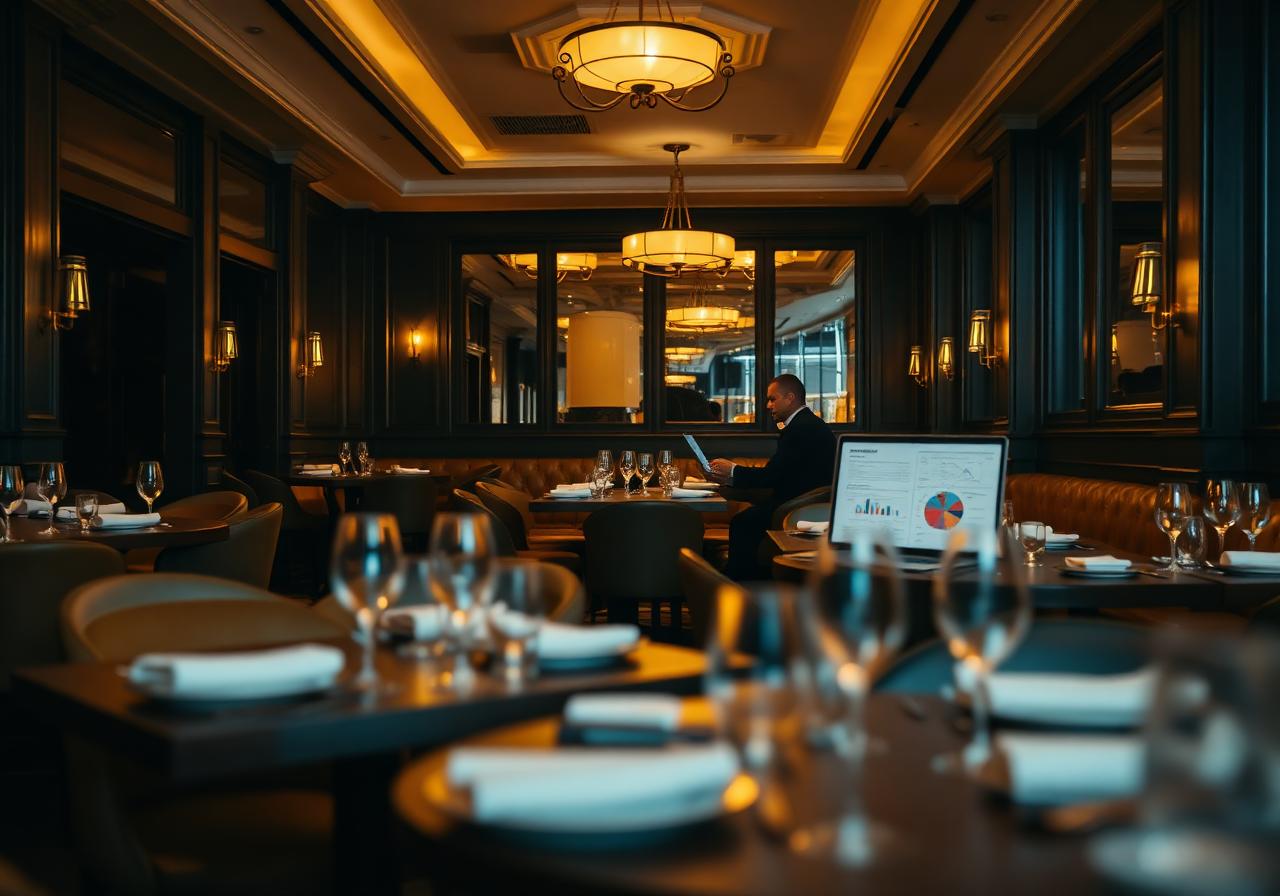
Restaurant Turnaround Services for Struggling Restaurants
Restaurant turnaround services in the UK are increasingly necessary as hospitality operators face severe financial pressure. At PL Coffeeshop Consulting, we work with restaurant owners, café operators, and hospitality investors who need structured intervention to stabilise operations and rebuild profitability.
Across the UK, hospitality businesses are under extreme pressure. Thousands of venues have closed due to rising labour costs, food inflation, and energy bills. In recent years alone, more than 1,900 restaurants entered insolvency in a single year, and closure rates continue to climb.
Independent operators in London, Manchester, Birmingham, Leeds, Bristol, Glasgow, and Edinburgh face the same reality: operating costs climb faster than revenue. When margins shrink below sustainable levels, decisive operational restructuring becomes essential.
Restaurant turnaround services focus on financial stabilisation, operational restructuring, revenue recovery, and long-term operational control.
Our Services
Structured Intervention Across Finance, Operations, Staffing, Pricing and Positioning
Restaurant recovery requires structured intervention across finance, operations, staffing, pricing, and positioning. Our restaurant turnaround services in the UK focus on restoring operational discipline and stabilising profit performance.
01
Financial Recovery and Profitability Analysis
Most struggling restaurants in the UK suffer from hidden margin erosion. Revenue may appear stable, but profit disappears due to rising supplier costs, poor menu pricing, and uncontrolled labour ratios.
We conduct detailed profit and loss analysis covering:
Cost of goods sold
Gross margin per menu item
Labour percentage vs revenue
Fixed operating expenses
Supplier pricing structures
Our financial recovery process identifies where margins are leaking and introduces structured cost controls without damaging customer experience.
Hospitality profit margins typically range between 3 percent and 6 percent. When food costs rise above 32 percent or labour exceeds 35 percent of revenue, profitability collapses quickly.
Restaurants in Central London, Soho, Shoreditch, and Canary Wharf often operate with high rent pressure, requiring tighter financial discipline than suburban operations.
Commercial impact:
Food cost reduction between 4 and 8 percent
Labour ratio correction of 5 to 10 percent
Stabilised operating margin within 90 days
02
Operational Restructuring for Underperforming Restaurants
Operational breakdown is one of the primary causes of restaurant decline.
Symptoms often include:
Inconsistent service times
Kitchen bottlenecks
Inventory waste
Excessive overtime
Unclear staff responsibilities
We conduct a full operational audit covering front-of-house, kitchen workflow, procurement, and service systems.
Operational restructuring includes:
Kitchen production flow redesign
Service time standardisation
Supplier consolidation
Waste tracking systems
Inventory rotation procedures
Restaurants operating in high-traffic districts such as Covent Garden, Oxford Circus, Camden, and Notting Hill often struggle with high service volume while maintaining operational consistency.
Commercial outcomes:
Service time reduction of 20 to 30 percent
Food waste reduction up to 15 percent
Improved table turnover
03
Menu Engineering and Pricing Correction
Many restaurant owners underestimate the impact of menu engineering on profitability.
A typical menu contains items that either:
Generate profit
Generate volume
Generate loss
Without analysis, loss-making dishes often remain on the menu for years.
Our menu engineering process includes:
Dish margin analysis
Supplier cost alignment
Menu structure redesign
Portion cost verification
Category profitability mapping
Hospitality research shows that adjusting menu pricing and structure can increase restaurant profit margins significantly without increasing footfall.
This is particularly important in competitive dining areas such as Manchester Northern Quarter, Leeds City Centre, Bristol Harbourside, and Liverpool Waterfront, where restaurants compete heavily on menu positioning.
Commercial impact:
Gross margin improvement of 6 to 12 percent
Average order value increase
Simplified kitchen production
04
Labour Cost Management and Staffing Structure
Labour is one of the highest operating costs for restaurants in the UK.
Our labour restructuring includes:
Staffing structure analysis
Shift scheduling correction
Role consolidation
Training framework development
Productivity benchmarks
Staff shortages remain a major challenge across the hospitality sector, with many operators struggling to recruit and retain trained employees.
Poor scheduling, inefficient shift patterns, and unclear responsibilities increase payroll costs without improving service quality.
Restaurants operating in tourist-heavy districts such as Bath, York, Oxford, and Cambridge require flexible staffing models due to seasonal demand fluctuations.
Commercial outcomes:
Labour cost reduction between 5 and 12 percent.
Reduced staff turnover
Improved service consistency
05
Revenue Recovery and Customer Flow Strategy
Restaurants rarely fail because customers dislike the food. Decline usually occurs when customer acquisition systems stop working.
Revenue recovery focuses on:
Local market positioning
Digital visibility
Booking system integration
Repeat customer strategy
Delivery channel optimisation
Revenue recovery strategies aim to restore customer flow and stabilise weekly revenue patterns.
In highly restaurant-hub cities like Brighton, Cardiff, Birmingham, and Glasgow, restaurants must maintain consistent demand across weekdays and off-peak hours.
Commercial outcomes:
Weekday revenue increase
Improved booking conversion rates
Higher customer return frequency
06
Supply Chain and Procurement Cost Control
Food cost inflation has placed enormous pressure on hospitality operators.
Procurement restructuring includes:
Supplier contract renegotiation
Inventory management procedures
Purchasing consolidation
Delivery scheduling optimisation
Between 2020 and 2025, food prices in the UK rose significantly, creating long-term margin pressure across the restaurant sector.
Many operators continue working with outdated supplier agreements or inefficient ordering processes.
Restaurants operating in Birmingham Jewellery Quarter, Leeds Dock, and Glasgow Merchant City often reduce food costs significantly once procurement systems are corrected.
Commercial impact:
Food cost reduction of 5 to 10 percent
Improved stock control
Reduced supplier dependency risk
07
Crisis Stabilisation for Restaurants Facing Closure
Some restaurants contact us during severe financial distress.
Indicators include:
Unpaid supplier invoices
Negative cash flow
Payroll pressure
Declining reservations
Potential administration risk
In these situations, turnaround intervention focuses on immediate stabilisation.
Short-term actions include:
Cost freeze measures
Operational restructuring
Supplier negotiation
Financial reporting correction
Cash flow monitoring systems
Across the UK hospitality sector, closures continue to increase due to rising costs and shrinking margins.
Rapid intervention can stabilise operations before closure becomes unavoidable.
Commercial outcomes:
Cash flow stabilisation
Operational restructuring within weeks
Improved investor confidence
08
Multi-Location Restaurant Turnaround Strategy
Restaurant groups with multiple locations face additional complexity.
Challenges include:
Inconsistent brand standards
Uneven performance across sites
Central cost allocation issues
Management oversight gaps
Our multi-site turnaround work includes:
Site-level profitability analysis
Operational benchmarking
Leadership structure review
Central purchasing alignment
Groups operating across London, Manchester, Bristol, and Edinburgh benefit from consistent operating frameworks across all locations.
Measurable Operational Restructuring, Not Theoretical Frameworks
Restaurant turnaround work requires operational experience across finance, operations, and hospitality management.
Our approach focuses on measurable operational restructuring rather than theoretical consulting frameworks.
Key Areas of Focus
Profit and loss diagnostics
Menu profitability analysis
Operational workflow correction
Labour productivity monitoring
Procurement cost control
Operational restructuring, not theory
We work directly with restaurant owners, hospitality groups, and investors across the UK hospitality sector.
Industry Statistics That Matter
The UK Hospitality Sector Is Under Significant Pressure
These figures show why professional intervention is increasingly required across the UK restaurant industry.
1,900+
Over 1,900 restaurants entered insolvency in a single year.
80%
Nearly 80 percent of restaurants fail within five years.
2/day
Two hospitality venues close every day in Britain.
1 in 5
One in five hospitality businesses fears closure within the next 12 months.
Restore Financial Control in Your Restaurant
Correct the Structural Issues Behind Declining Profitability
Restaurants fail when operational discipline disappears, and financial systems lose control.
Restaurant turnaround services identify the structural issues behind declining profitability and correct them through operational restructuring.
If your restaurant in London, Manchester, Leeds, Bristol, Glasgow, or elsewhere in the UK is under financial pressure, early intervention can prevent closure.
Ready to Stabilise and Recover?
Decisive operational restructuring for UK restaurants under pressure.
Schedule a consultation to discuss your strategy with a UK restaurant turnaround team focused on financial stabilisation, operational restructuring, revenue recovery, and long-term operational control.