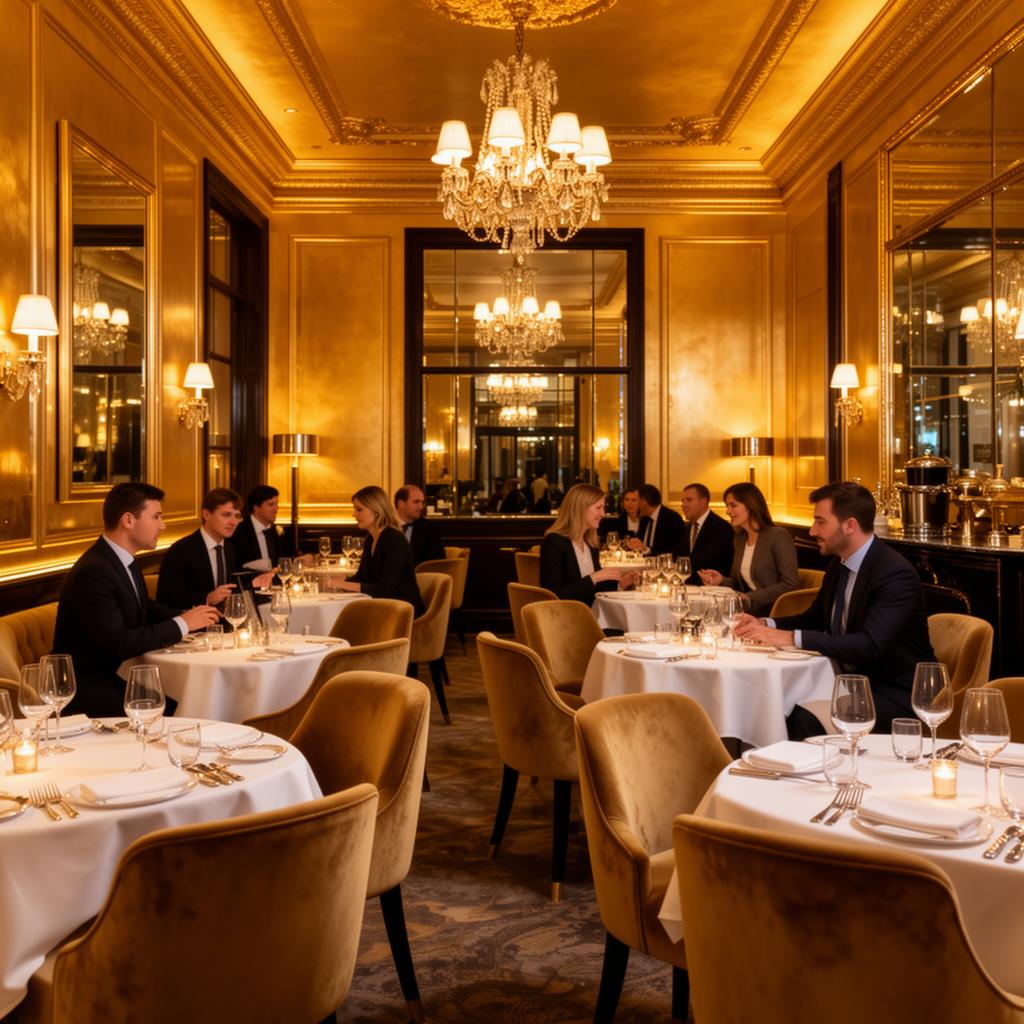
Restaurant Investor Consulting for Scalable Returns
Restaurant investor consulting in the UK is no longer optional when deploying capital into hospitality assets across London, Manchester, Birmingham, and other high-value markets. At PL Coffeeshop Consulting, we work directly with investors, family offices, and multi-site operators to assess, structure, and scale restaurant investments with commercial discipline.
From site acquisition in London to expansion planning in Manchester and luxury concept positioning in areas like Mayfair or Knightsbridge, we focus on financial viability, operational execution, and exit value.
If you are allocating £250K to £10M+ into restaurant ventures, you need more than opinions. You need structured investment consulting that protects capital and increases asset value.
Restaurant investment in the UK demands alignment between concept viability, location economics, and operational execution. We deliver end-to-end restaurant investor consulting services for high-net-worth individuals, private equity firms, and hospitality groups targeting markets such as London, Manchester, Birmingham, and Edinburgh.
Our Services
End-to-End Restaurant Investment Consulting
Restaurant investment in the UK demands alignment between concept viability, location economics, and operational execution. We deliver end-to-end restaurant investor consulting services for high-net-worth individuals, private equity firms, and hospitality groups targeting markets such as London, Manchester, Birmingham, and Edinburgh.
01
Market Feasibility & Demand Intelligence
Entering high-value UK markets without validated demand exposes capital to immediate risk. In locations such as London and Manchester, oversaturation and shifting consumer behaviour can erode margins before a site stabilises.
We conduct in-depth feasibility assessments, including:
Catchment and footfall analysis
Competitor density and cuisine clustering
Consumer spending patterns by postcode
Revenue forecasting based on local trading conditions
In prime London districts, where rents can exceed £250 per sq ft annually, inaccurate projections can compress margins within the first 6–12 months.
What this delivers:
Revenue forecasts grounded in actual demand
Break-even clarity is typically within 12–24 months, depending on the format
Investment models adjusted for risk exposure
This ensures your restaurant investment aligns with real purchasing behaviour rather than assumptions.
02
Capital Structuring & Investment Allocation
Misallocation of capital is one of the most common causes of underperforming restaurant investments across the UK.
We structure investment frameworks covering:
CAPEX planning across build, kitchen, and front-of-house
Cash flow modelling for the first 24 months
EBITDA forecasting aligned with UK hospitality benchmarks
Debt versus equity structuring for capital efficiency
UK restaurant EBITDA margins typically range between 10% and 20%, depending on concept, pricing, and cost discipline.
Where we focus:
Reducing overspend during fit-out and launch phases by up to 25%
Allocating capital toward revenue-generating assets
Preparing the financial structure for future expansion or investor entry
This provides clarity on where capital performs and where it becomes a liability.
03
Concept Positioning & Revenue Architecture
A restaurant concept must perform commercially before it performs creatively. In competitive markets such as Manchester and Central London, weak positioning directly impacts revenue per cover and long-term valuation.
We build commercially viable concepts through:
Menu engineering focused on margin contribution
Pricing frameworks aligned with local demographics
Brand positioning for premium, mid-market, or volume-led models
Execution focus:
Increasing average order value through menu structuring
Improving table turnover without compromising service
Aligning brand perception with the target customer's spending capacity
This creates a concept that attracts both customers and future investors.
04
Site Sourcing & Lease Structuring
Property decisions dictate long-term profitability more than almost any other variable in restaurant investment.
We support investors across London, Birmingham, Leeds, and Edinburgh with:
Site identification based on footfall and spend potential
Lease negotiation and rent benchmarking
Structuring landlord contributions and incentives
Critical financial controls:
Maintaining rent-to-revenue ratios below 10–12%
Negotiating break clauses to reduce long-term exposure
Securing fit-out contributions where possible
Poor lease terms can reduce profitability by more than 20% over a five-year period, making this stage critical for capital protection.
05
Investment Due Diligence & Acquisition Structuring
When acquiring an existing restaurant or hospitality group, due diligence determines whether the investment holds value or hidden risk.
We conduct detailed assessments, including:
Financial statement validation and revenue consistency
Labour and food cost ratio analysis
Supplier agreements and purchasing structures
Brand scalability and operational repeatability
Execution focus:
Identifying liabilities that impact valuation
Establishing realistic acquisition benchmarks
Strengthening negotiation position during deal structuring
This ensures you enter investments with full visibility, not assumptions.
06
Operational Performance & Margin Control
Once a restaurant is operational, margin erosion becomes the primary threat to investor returns.
We implement performance controls across:
Labour cost ratios with a target of 25–35%
Food cost management within 28–35% benchmarks
Menu engineering to prioritise high-margin items
Operational impact:
Net profit margin improvements typically within the 8–15% range
Reduced waste across inventory and prep cycles
Consistent service standards that support repeat revenue
This converts operational complexity into controlled, measurable performance.
07
Multi-Site Growth & Replication Systems
Scaling a restaurant brand across cities such as Glasgow, Bristol, and Leeds requires systems that maintain consistency and financial control.
We implement:
Standard operating procedures across all locations
Multi-site financial reporting frameworks
Franchise readiness and documentation
Brand replication systems for consistent delivery
Execution priorities:
Reducing rollout timelines between new locations
Maintaining a consistent customer experience across sites
Preparing the business for multi-unit valuation models
Growth without structure leads to operational breakdown. This ensures expansion is controlled and scalable.
08
Exit Planning & Investment Realisation
Most restaurant investors focus on entry and overlook exit planning. This directly impacts long-term return on capital.
We prepare investments for exit through:
Trade sale positioning for strategic buyers
Private equity readiness, including financial documentation
EBITDA improvement planning to increase valuation multiples
In scalable restaurant brands can achieve valuations exceeding £100M, with premium groups reaching significantly higher depending on performance.
Exit preparation focus:
Increasing buyer demand through structured financials
Improving valuation multiples through margin performance
Reducing friction during sales or acquisition processes
This positions your restaurant investment as an asset that attracts serious buyers.
Our Expertise
We Operate at the Intersection of Hospitality Operations and Investment Performance
We operate at the intersection of hospitality operations and investment performance.
Our approach integrates:
Financial modelling frameworks
Operational performance systems
UK regulatory awareness, including licensing, food safety, and HMRC considerations
Real estate and hospitality alignment
Unlike general consultants, we focus on investor outcomes:
ROI clarity
Cost control
Asset scalability
Risk containment
Industry Statistics That Matter
These Are Not Theoretical Risks. They Are Operational Realities.
60%
Up to 60% of restaurants fail within the first three years due to poor financial planning and operational inefficiencies (industry-wide estimate)
55–70%
Labour and food costs typically account for 55%–70% of total operating expenses.
£250/sq ft
Prime London locations can exceed £250 per sq ft annually in rent
2x–5x
Strong restaurant brands can achieve 2x–5x EBITDA valuation multiples at exit
Capital Deployed Without Structure Is Capital at Risk
Restaurant Investment in the UK Rewards Discipline and Punishes Assumptions
Whether you are entering the London premium dining sector, scaling a Manchester-based concept, or acquiring assets across multiple UK cities, every decision impacts valuation.
We position your investment for measurable financial outcomes, not theoretical success.