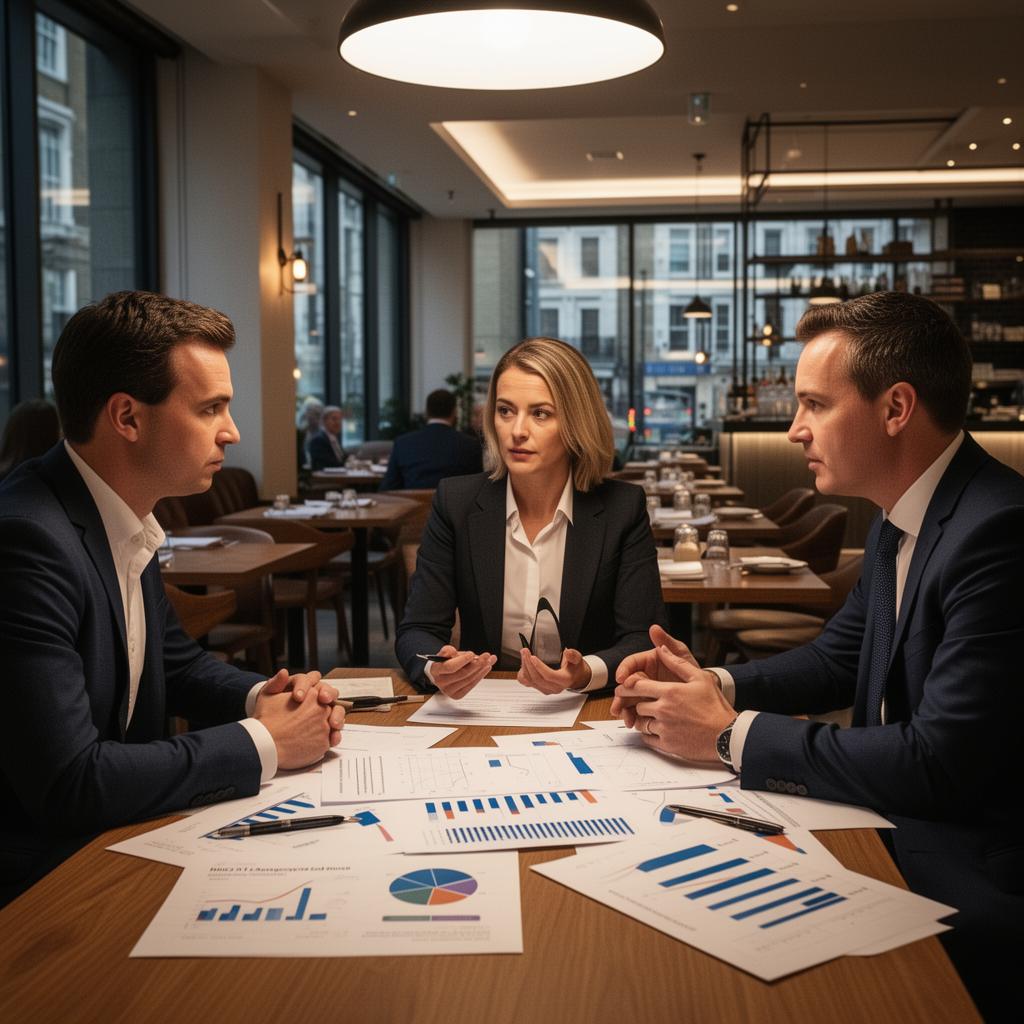
Restaurant crisis management consulting is no longer optional for operators facing rising insolvency rates, regulatory pressure, and unpredictable demand across the UK. At PL Coffeeshop Consulting, we work with restaurant groups, high-value hospitality brands, and investors across London, Manchester, Birmingham, Leeds, and other commercial centres to stabilise operations before losses spiral.
The reality is harsh. Thousands of UK restaurants are closing every year, with insolvencies rising sharply due to cost pressure, staffing gaps, and operational failures.
If your operation is under strain, delay costs money.
When restaurants enter distress, it rarely stems from a single issue. It is a chain reaction across finance, operations, compliance, and brand perception. Our restaurant crisis management consulting services address each pressure point with commercial clarity across the UK, including London, Manchester, Birmingham, Leeds, and Edinburgh, where operational pressure is highest and margin for error is minimal.
Our Services
Crisis Intervention Across Every Pressure Point
When restaurants enter distress, it rarely stems from a single issue. It is a chain reaction across finance, operations, compliance, and brand perception.
01
Financial Recovery and Cash Flow Stabilisation
Cash flow breakdown is the leading cause of restaurant collapse across the UK. Many operators in London and Edinburgh report strong top-line revenue while silently absorbing losses through poor cost control, supplier inefficiencies, and unmanaged overheads.
We conduct forensic financial analysis across:
Food cost percentage variance by menu category
Labour-to-revenue ratios segmented by shift and service type
Break-even thresholds based on fixed and variable cost structures
Supplier contract inefficiencies, including pricing volatility and credit terms
Restaurants in the UK often operate on margins as low as 3 to 5 percent. That leaves no tolerance for pricing errors, waste, or scheduling inefficiencies.
Our intervention goes beyond surface-level cost-cutting. We rebuild financial control systems:
Daily cash flow forecasting models tied to actual trading patterns
SKU-level margin tracking across menus
Supplier renegotiation frameworks to reduce input costs
Cost-of-goods-sold recalibration based on real purchasing behaviour
Typical outcomes include:
12 to 25 percent reduction in unnecessary expenditure
Positive cash flow recovery within 60 to 120 days
Clear EBITDA visibility for lenders, investors, and stakeholders
For operators in high-rent zones such as central London, this level of control is the difference between survival and closure.
02
Operational Failure Diagnosis and Correction
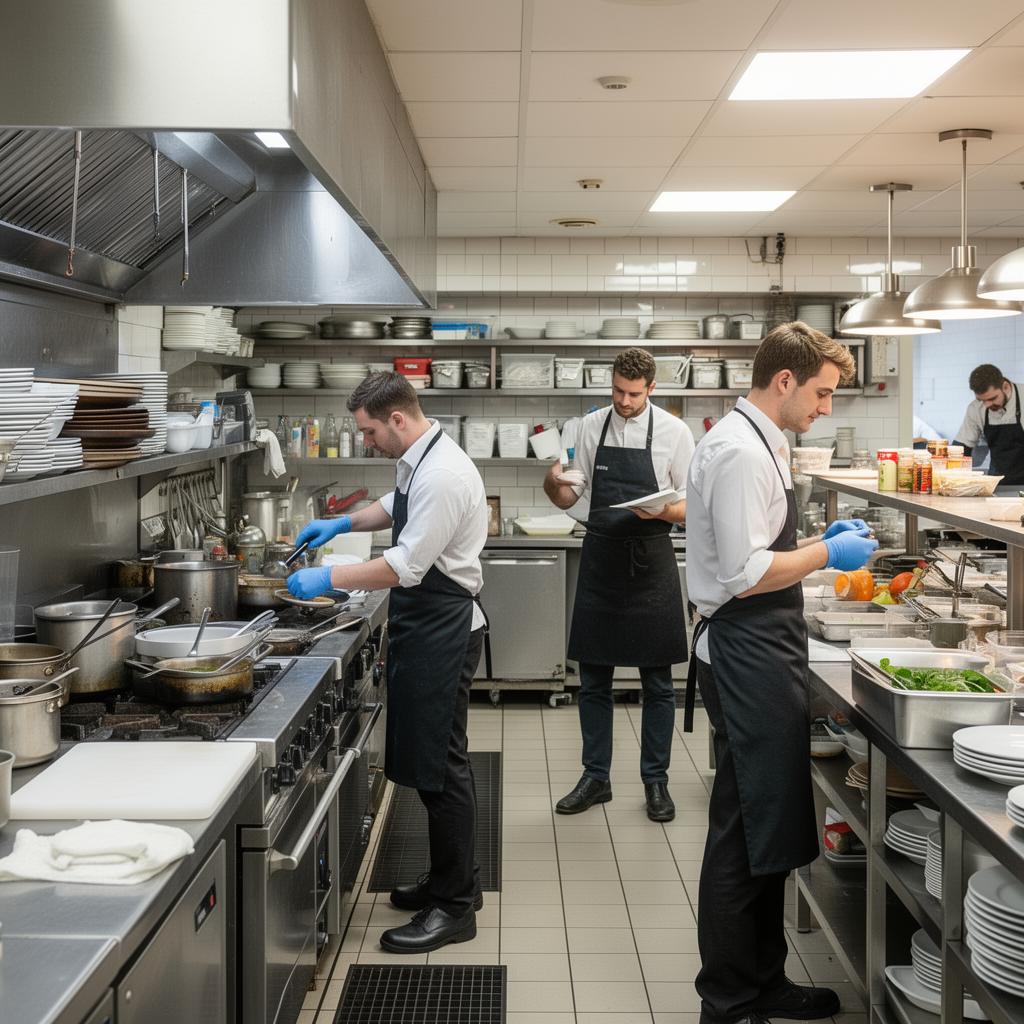
Restaurants do not collapse because of concept alone. Execution failure is the dominant issue across Manchester, Birmingham, and other high-density markets where speed and consistency directly impact revenue.
We conduct full operational audits covering:
Kitchen throughput capacity versus demand peaks
Table turn inefficiencies across lunch and dinner services
Order routing breakdowns across dine-in, takeaway, and delivery platforms
Inventory shrinkage and stock control gaps
From there, we rebuild operational systems:
Production line restructuring in the kitchen to reduce bottlenecks
Service sequencing aligned with demand patterns
Integration of POS data into operational decision-making
Inventory control frameworks that reduce over-ordering and spoilage
Measured outcomes:
15 to 30 percent reduction in service time delays
Up to 20 percent reduction in food waste
Increased table turnover without compromising service quality
This is critical in cities like Leeds, where competition is high, and customer expectations are unforgiving.
03
Crisis Response and Brand Damage Control
Brand damage spreads faster than operational recovery. A single compliance issue, viral complaint, or negative press cycle can reduce bookings across London and Manchester within days.
We deploy structured crisis response systems:
Real-time reputation monitoring across Google, TripAdvisor, and delivery platforms
Complaint escalation protocols to contain negative sentiment early
Review response frameworks aligned with brand positioning
Internal communication control to prevent inconsistent messaging
We also reposition the brand narrative:
Messaging recalibration across digital platforms
Reputation repair campaigns focused on credibility recovery
Customer trust rebuilding through consistent service delivery
Results include:
Stabilisation of review scores within 30 to 60 days
Increased booking conversion rates post-recovery
Reduced customer churn linked to negative sentiment
In competitive UK hospitality markets, reputation directly correlates with revenue. This is not optional work.
04
Workforce Stabilisation and Labour Cost Control
Labour instability is one of the most persistent risks across UK restaurants. In cities such as Birmingham and London, recruitment pressure and wage inflation create ongoing operational disruption.
We analyse:
Labour cost as a percentage of revenue by service window
Staff utilisation rates across shifts
Turnover patterns and retention breakdowns
Training gaps impacting service consistency
We implement structured workforce control systems:
Demand-based scheduling aligned with booking patterns and historical data
Role consolidation to reduce dependency on specialist hires
Performance monitoring linked to measurable service outcomes
Training frameworks focused on operational consistency
Outcomes typically include:
10 to 18 percent reduction in labour costs
Improved retention across key roles
Reduced service variability during peak trading hours
This stabilises both cost structure and customer experience simultaneously.
05
Compliance Risk and Regulatory Exposure Management
Regulatory pressure across the UK continues to intensify. Restaurants operating in London, Edinburgh, and other major cities face strict enforcement from the Food Standards Agency and local authorities.
We conduct full compliance audits covering:
Food safety systems and hygiene protocols
Allergen tracking and reporting accuracy
Employment law adherence, including contracts and working hours
Licensing compliance across alcohol service and trading hours
Beyond audits, we implement operational compliance systems:
Documented standard operating procedures aligned with UK regulations
Staff training on compliance execution
Internal audit frameworks for ongoing monitoring
Impact includes:
Reduced risk of fines, enforcement actions, or closure notices
Improved inspection outcomes
Stronger operational discipline across teams
In high-density urban markets, compliance failure often leads to immediate shutdown. This work protects trading continuity.
06
Revenue Recovery and Demand Repositioning
Declining footfall is often misdiagnosed as a marketing issue. In reality, it is frequently linked to pricing strategy, offer positioning, and channel misalignment.
We rebuild revenue systems across:
Menu engineering focused on margin contribution and customer demand
Pricing structures aligned with local market expectations in cities like Manchester and Leeds
Delivery and takeaway channel optimisation
Customer retention frameworks to increase repeat visits
We also address:
Underperforming menu items dilute profitability
Poorly structured promotions are reducing margins
Weak differentiation in saturated local markets
Typical performance gains include:
10 to 25 percent increase in average order value
Higher repeat visit frequency
Improved revenue consistency across peak and off-peak periods
This creates stability in revenue streams rather than reliance on unpredictable demand spikes.
07
Multi-Site Crisis Management for Restaurant Groups
Operators managing multiple locations across London, Glasgow, and Leeds often face inconsistent performance across sites. One underperforming location can impact the entire group's financial position.
We implement group-level control systems:
Standardised operating procedures across all locations
Centralised financial reporting for accurate performance tracking
Brand consistency frameworks to maintain customer expectations
Supply chain coordination to reduce cost variation
We also introduce:
Site-level performance benchmarking
Central oversight dashboards for executive teams
Corrective action plans for underperforming locations
Outcomes include:
Predictable performance across sites
Reduced management inefficiencies
Faster, data-backed decision-making
This is critical for scaling operators and investor-backed groups.
08
Turnaround Strategy for Distressed Assets and Investors
Distressed restaurant acquisitions are common across the UK, particularly in London, where high-value locations change hands under pressure.
We support investors and hospitality groups with:
Pre-acquisition commercial viability assessments
Financial stress testing based on current market conditions
Turnaround planning focused on rapid stabilisation
Exit strategy structuring to protect capital
Given the rising insolvency rates across the UK hospitality sector, entering an acquisition without structured crisis management exposes investors to significant risk.