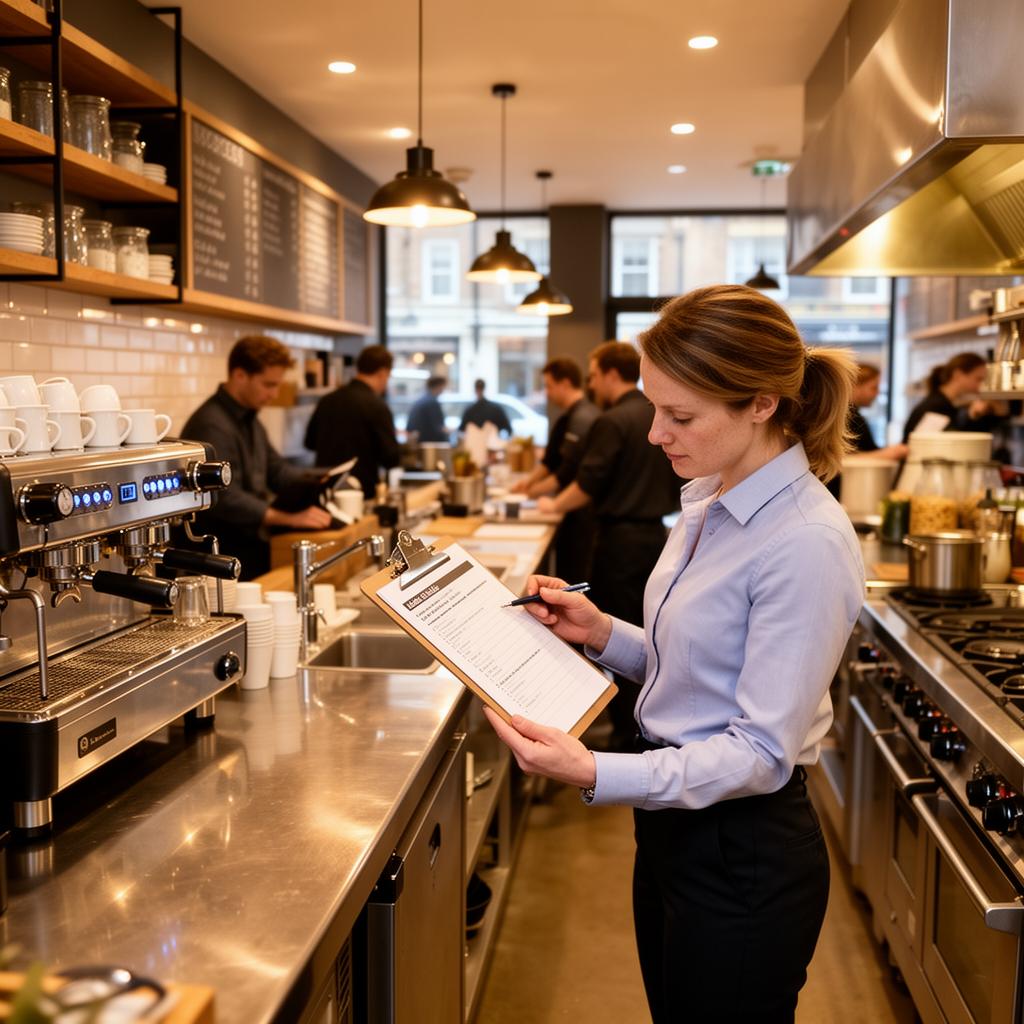
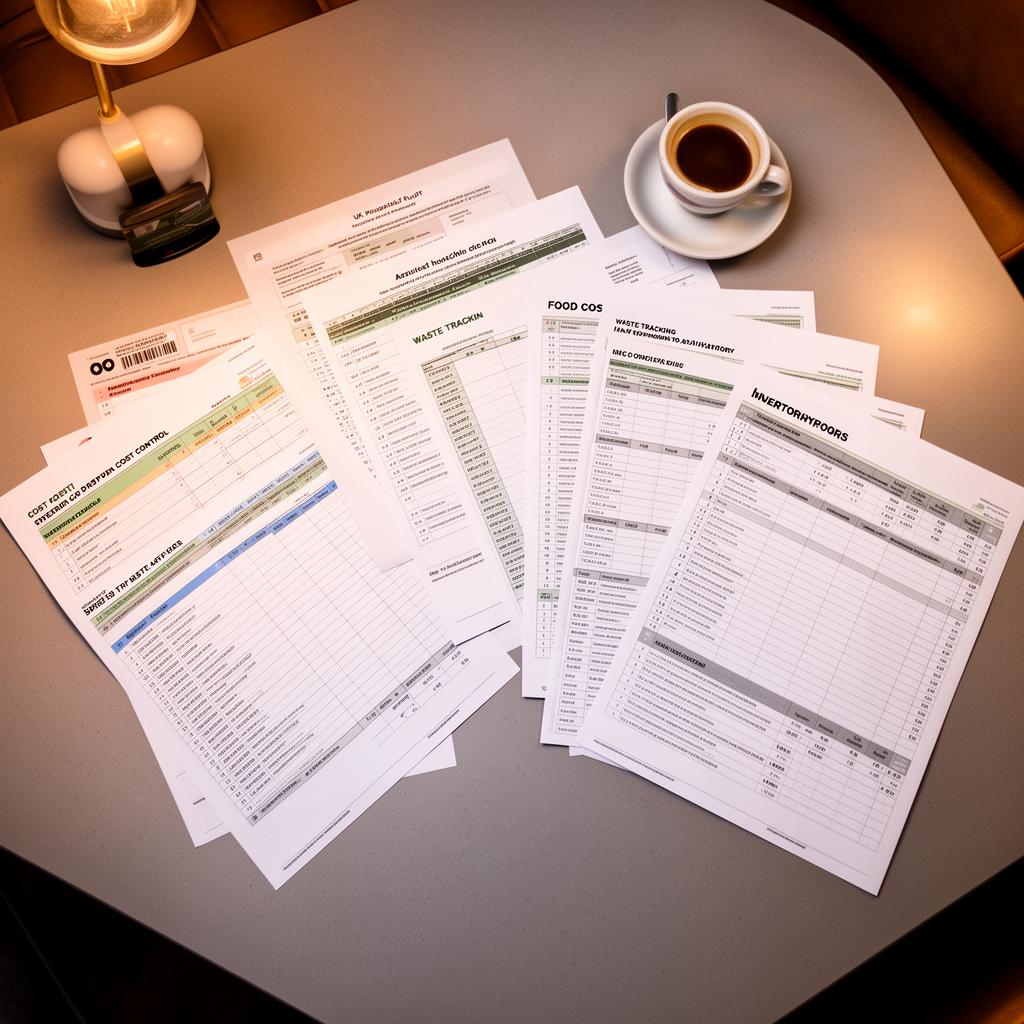
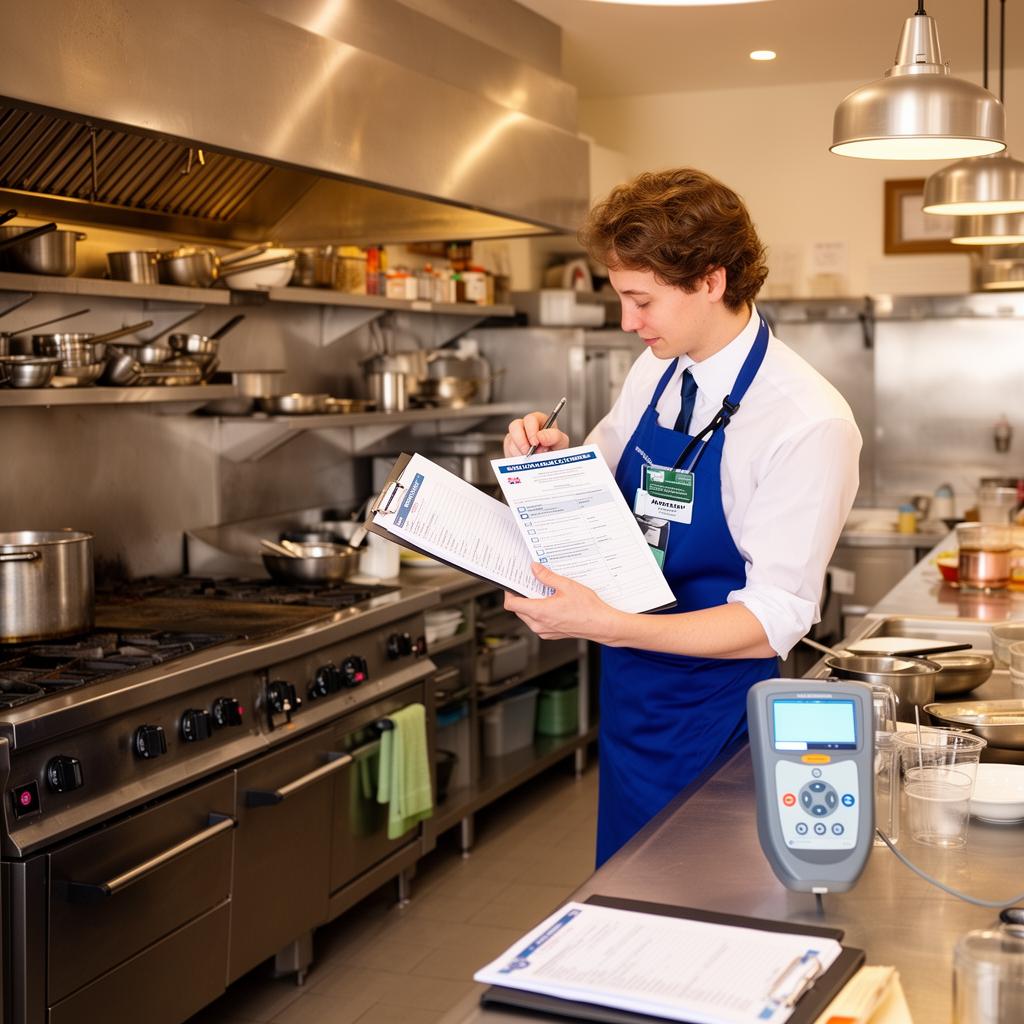
A restaurant operational audit examines the systems, processes, and commercial controls that determine whether a venue runs profitably or struggles with hidden inefficiencies. At PL Coffeeshop Consulting, we conduct structured operational audits for hospitality businesses across the United Kingdom, including major markets such as London, Manchester, Birmingham, Leeds, and Edinburgh, where restaurant competition and operational costs are particularly intense.
Rising labour costs, food inflation, and tighter margins have placed enormous pressure on operators. Industry data shows that restaurants can lose 2 to 5 percent of annual revenue through theft, operational errors, and waste alone, highlighting how operational inefficiencies directly impact profitability.
Our audit process identifies where profit leaks occur and establishes operational controls that protect margins, improve team productivity, and ensure regulatory compliance.
A restaurant operational audit is not a single checklist. It is a structured commercial assessment covering operational systems, staff performance, cost control mechanisms, and regulatory compliance across the entire business.
Our consultants conduct in-depth operational reviews for hospitality venues throughout the UK, including high-volume restaurants in London, expanding hospitality groups in Manchester, and franchise operations across Birmingham and Glasgow.
Our Services
Operational Audit Services for UK Restaurants
A restaurant operational audit is not a single checklist. It is a structured commercial assessment covering operational systems, staff performance, cost control mechanisms, and regulatory compliance across the entire business.
01
Operational Workflow Assessment
Operational inefficiencies typically originate in workflow breakdowns between kitchen, front-of-house, and management systems.
Our operational workflow assessment evaluates:
Kitchen production flow
Service speed and table turnover efficiency
Staff task allocation
POS integration and order routing
Communication between service stations
The audit examines whether operational structures support high service throughput during peak trading periods.
Common improvements include:
Service time reductions of 15 to 25 percent
Reduced order errors
Improved table utilisation
Increased revenue per available seat hour
For busy restaurants in cities such as London and Leeds, operational workflow adjustments often deliver immediate revenue improvements without increasing staff headcount.
02
Food Cost and Waste Control Analysis
Food cost volatility is one of the largest operational risks in hospitality.
This component of the restaurant operational audit examines:
Supplier pricing structures
Inventory controls
Waste management procedures
Portion control standards
Menu ingredient utilisation
Restaurants commonly operate with food cost ratios between 28 percent and 35 percent of revenue, yet weak stock management can quickly push this figure higher.
Our audit identifies:
Excess spoilage
Inventory variance
Purchasing inefficiencies
Menu items producing poor gross margin
Operators frequently recover 3 to 6 percent of food cost following structured inventory controls and purchasing reforms.
03
Labour Productivity and Staffing Analysis
Labour is typically the largest controllable expense in a restaurant.
Our labour audit evaluates:
Staffing levels per shift
Schedule planning
Labour cost as a percentage of revenue
Overtime utilisation
Staff productivity benchmarks
Across UK hospitality businesses, labour shortages and wage increases have placed operators under significant pressure. Up to one-third of venues are reported to be at risk due to rising operating costs and staffing challenges.
Through scheduling analysis and role optimisation, restaurants frequently achieve:
Labour cost reductions of 8 to 12 percent
Higher service productivity during peak hours
Lower staff turnover due to clearer operational roles
04
Compliance and Food Safety Audit
Restaurants must comply with multiple regulatory frameworks, including:
Our compliance audit assesses operational adherence across all operational areas, including kitchen hygiene, storage procedures, temperature control systems, and food preparation protocols.
Food Standards Agency requirements
Health and Safety legislation
Fire safety compliance
Local authority inspections
Independent food safety audits allow operators to identify risks before regulatory inspections occur, reducing legal exposure and protecting brand reputation.
The audit delivers documented compliance assessments suitable for internal governance and multi-site hospitality groups.
05
Guest Experience and Service Quality Evaluation
Revenue growth in hospitality depends heavily on service consistency and guest perception.
This service examines:
Front-of-house service standards
Complaint resolution protocols
Guest journey analysis
Online reputation indicators
Brand experience alignment
Service inconsistencies often originate from unclear operational procedures or insufficient staff training.
Our operational audit provides measurable recommendations that frequently produce:
Higher customer satisfaction scores
Increased repeat visits
Stronger online review performance
06
Inventory Control and Stock Reconciliation
Stock losses are a persistent operational problem across hospitality businesses.
The audit investigates:
Inventory recording procedures
Bar and beverage controls
Stock variance patterns
Supplier ordering processes
Shrinkage and internal loss risk
Industry analysis shows that restaurants frequently lose 2 to 5 percent of annual revenue through theft, fraud, or operational errors if proper controls are not in place.
Improved stock management systems reduce loss exposure and create accurate cost tracking across multiple restaurant locations.
07
Financial Performance and Profitability Review
Operational audits must link directly to financial performance.
This review evaluates:
Cost of goods sold
Operating expense ratios
Profit margins by menu category
Pricing strategy alignment
Revenue mix across service periods
Restaurants often operate with limited financial visibility into their menu profitability.
Our analysis identifies:
High margin menu opportunities
Pricing adjustments
Underperforming product lines
Revenue expansion opportunities
This enables operators to correct structural financial inefficiencies rather than simply reducing costs.
08
Standard Operating Procedure Development
Operational discipline depends on clear and documented procedures.
Following the restaurant operational audit, we develop structured Standard Operating Procedures covering:
Service workflow
Kitchen production standards
Inventory management
Compliance protocols
Financial control processes
Clear SOP frameworks allow multi-site restaurant groups across cities such as Manchester and Bristol to maintain consistent operational performance.
Why Choose Us
Restore Operational Control Before Margins Collapse
Hospitality businesses face a complex operating environment. Rising food prices, staffing shortages, and increased regulatory oversight require disciplined operational control.
Audit Capabilities
Operational diagnostics
Cost leakage identification
Compliance risk assessment
Service breakdown analysis
Productivity gap measurement
A structured restaurant operational audit delivers commercial clarity by identifying operational inefficiencies, cost leakage, compliance risks, service breakdowns, and productivity gaps.
Our methodology combines operational diagnostics, financial analysis, and structured reporting so hospitality operators receive actionable insight rather than generic recommendations.
Industry Statistics That Matter
Why Operational Audits Are Critical for UK Restaurants
Key figures that demonstrate the financial impact of operational inefficiencies in the UK hospitality sector.
2–5%
Restaurants can lose this share of annual revenue through theft, operational errors, and waste alone.
1/3
Up to one-third of UK hospitality venues are at risk due to rising operating costs and staffing challenges.
3–6%
Operators frequently recover this margin of food cost following structured inventory controls and purchasing reforms.
The Outcome
Restore Operational Control Before Margins Collapse
Successful restaurants are rarely failing because of food quality.
Most struggle because operational systems are inconsistent, cost controls are weak, and leadership lacks visibility into what is happening across the business.
A restaurant operational audit provides the clarity needed to correct operational inefficiencies, protect profitability, and prepare the business for expansion or investment.